
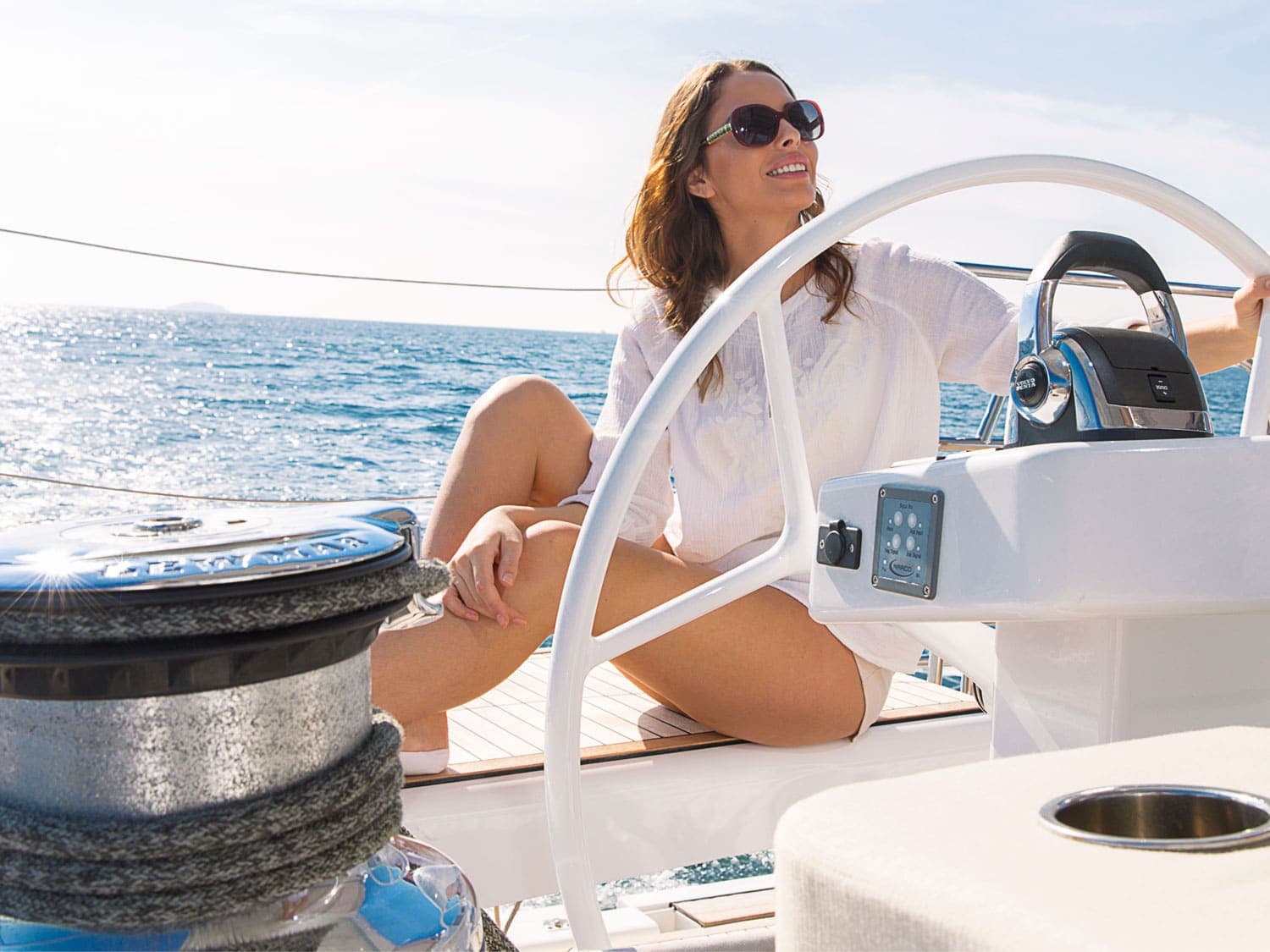
Why Croatia is built for sailors
If you ask a local skipper why sailing in Croatia is so special, the answer is simple: short hops, safe waters, and more beautiful bays than you can count. From the green coves of Istria to the stone towns of Dalmatia and the quiet islands of the south, Croatia gives you “Mediterranean as it once was” – but with modern marinas, great food and friendly people.
This guide is your big-picture starting point for yacht charter in Croatia. We’ll walk through regions, best months, typical winds, must-see routes and what kind of boat fits you best – whether you’re dreaming about a relaxed catamaran charter in Croatia, a sporty sailboat charter, or a fast motor yacht charter in Croatia.
Who this Croatia sailing guide is for
You’ll get the most value from this page if you’re still in the “is Croatia right for us?” stage. Maybe you’re comparing it with Greece or Italy, or you’ve only done land holidays so far. We wrote this as a clear, honest overview that connects directly with more detailed guides on routes, prices, weather and our main Croatia sailing destinations.
If you already know exactly where you want to start – for example a Split yacht charter, Zadar sailing area or Dubrovnik yacht charter – you can still use this page as a “master manual” and then jump into those local pages for details.
Sailing regions in Croatia at a glance
Croatia's charter coast splits into five areas. Central Dalmatia (Split, Trogir) is the default: the biggest fleet, the shortest hops and the most shelter. Northern Dalmatia (Zadar, Šibenik) is for the Kornati and empty bays. Southern Dalmatia (Dubrovnik) is for Mljet and Lastovo with longer legs. Istria is a coastal food-and-wine week with almost no islands. Kvarner is green, spacious and has the strongest Bura in the Adriatic.
For planning your route, it helps to think of the coast as five sailing regions, each with a slightly different mood and style – below, Northern and Central Dalmatia share one section. All of them are covered in our dedicated Croatia sailing destinations guide, but here is the quick overview:
Istria – green hills and Italian flavours
Gentle, green and Italian-influenced. Towns like Pula and Rovinj give you Roman amphitheatres, pastel houses and great wine. Distances between harbours are a bit longer than in Dalmatia, but you have fewer crowds and cooler nights. Ideal if you want to combine sailing with Istrian food and wine tours.
Kvarner Bay – dolphins and quiet coves
Islands like Krk, Cres, Lošinj and Rab sit in Kvarner Bay. This is a great area if you want a mix of quiet anchorages, dolphins and simple family-run konobas. Winds can be a little stronger here when bura blows, but you’re always close to shelter. Start by reading our Kvarner Bay sailing overview and then pick a route that matches your crew.
Northern & Central Dalmatia – Kornati, Šibenik, Zadar & Split
This is the “classic postcard” Croatia – Zadar, Šibenik, Split and Trogir, plus the famous Kornati National Park. Dry stone islands, crystal water and a marina or safe bay every 10–15 nautical miles. From here you can easily build a relaxed family route or a more active itinerary. Our pages for Zadar, Šibenik, Split and Trogir go deeper into each area.
Southern Dalmatia – Korčula, Mljet & Dubrovnik
From Korčula to Mljet and Dubrovnik the scenery is more dramatic – high mountains, walled medieval towns, and slightly longer open-water legs. Perfect for a Dubrovnik yacht charter or a slightly more adventurous route with a luxury yacht charter in Croatia.
The five regions, side by side
| Region | Best for | The catch |
|---|---|---|
| Central Dalmatia — Split, Trogir | First charters, families, the classic island week | The busiest change-over on the coast |
| Northern Dalmatia — Zadar, Šibenik | Kornati, Telašćica, empty anchorages | Few towns, little shade, park tickets |
| Southern Dalmatia — Dubrovnik | Mljet, the Elaphiti, Lastovo | Small fleet, longer legs, priciest berths |
| Istria — Pula, Rovinj | Driving from Central Europe; food and wine | Almost no islands, lighter wind |
| Kvarner — Krk, Lošinj, Rab | Green islands, space, road access | The strongest Bura in the Adriatic |
If you cannot decide, Central Dalmatia is the right default, and about a third of every charter boat in Croatia lies around Split and Trogir: everything is close, everything is sheltered, and the airport is twenty minutes from the boat.
Best time to sail in Croatia
The sailing season in Croatia runs from mid-April to the end of October, with a clear difference between quieter spring/autumn months and the busy, hot peak of summer. On our dedicated Croatia sailing weather page we go deep into temperatures, sea conditions and daylight, and our weather by month guide takes it a month at a time, but here is a skipper-level summary.
April – early June: Quiet and fresh
Sea is still cooler, but the air is pleasant and the coast is waking up after winter. This is perfect for guests who hate crowds, don’t mind a light jacket in the evening and want better prices. Spring is also a good moment for longer passages.
Late June – August: Peak summer
High season means warm sea, long days and busy marinas. Expect the sea at 24–27 °C in July and August, vibrant nightlife and higher prices, especially in August. If you travel in this period, we recommend booking your boat and key marinas early and keeping daily legs a bit shorter so you can enjoy bays before they fill up.
September – October: Local skippers’ favourite
Sea stays warm and crowds go home; early September keeps summer's steady Maestral, while October turns more changeable. If you want the best balance of sailing conditions, swimming and quiet evenings, this is the sweet spot. September is a favourite month for a catamaran charter in Croatia – summer feeling without summer chaos.
Croatian winds – simple guide for non-sailors
You don’t need to be a weather expert to enjoy a week on a yacht, especially if you book a skippered charter in Croatia. Still, understanding the main winds helps you feel more relaxed on board and explains why your skipper sometimes suggests a different bay than you saw on Instagram.
Maestral – your friend in summer
A gentle afternoon thermal breeze from the northwest. It usually starts around midday and calms down in the evening. Perfect for easy sailing between islands on a sunny day and the wind most guests remember fondly.
Bura – strong, dry, from the land
A colder north-easterly wind that can blow suddenly and strongly, especially in Kvarner and the Velebit channel. It brings clear skies but can make the sea choppy. This is when local knowledge really matters. Your skipper will adjust the route, stay in more protected channels and choose marinas or moorings with good shelter.
Jugo – warm and humid from the south
A southerly wind that builds gradually, often bringing clouds and some rain. Waves can get higher, especially on longer crossings. Routes are adjusted to stay comfortable, and skippers sometimes use this wind for longer downwind legs.
The three winds, in one line each
| Wind | What it does | What you do |
|---|---|---|
| Maestral | North-west, 10–18 kn, fills at midday, dies at sunset | Sail on it. Long legs in the morning. |
| Bura | North-east, sudden, gusts 25–50 kn off the mountains | Stay in port. It passes in a day or two. |
| Jugo | South-east, builds over a day, rain and swell, lasts longer | Move to shelter open to the north; change the plan. |
That is genuinely the whole of it for a summer charter. The fuller version, including how each behaves by region, is on our weather conditions page.
Is sailing in Croatia safe for first-time crews?
Overall, Croatia is one of the most forgiving places to learn about sailing holidays. Distances between safe harbours are short, coastguard and marina infrastructure are strong, and you are almost never far from shelter. That said, sea is still sea – and weather deserves respect.
If you’re booking your very first crewed yacht charter in Croatia, we recommend central Dalmatia or the Zadar–Šibenik area for a mix of easy navigation and plenty of options if conditions change. More experienced skippers with the right licence often choose a bareboat charter in Croatia and still stay within these regions.
Choosing the right yacht for sailing in Croatia
The good news is that almost every style of holiday works here – from simple family trips to glamorous island-hopping. On SkipperCity you can compare different boat types in one place and match them to your crew and budget using our Croatia boat search.
If comfort and space are your priority, start with a catamaran charter in Croatia. You get wide living areas, big aft cockpit and shallow draft for anchoring close to the beach. If you love pure sailing feeling and heeling under sails, a classic sailboat charter in Croatia might suit you more. For guests who want to cover more miles or visit several regions in one week, a motor yacht gives you speed and flexibility.
Traditional gulet cruises are ideal for larger groups that want a relaxed, fully crewed experience, while luxury yacht charter in Croatia brings you private-chef dining, water toys and five-star service on board.
Bareboat, skippered or fully crewed?
If you hold the right licence and have recent experience, you can book a bareboat charter and be the captain of your own trip. The coastline is forgiving, but you still need to respect the weather, local rules and basic safety routines.
For many guests the best balance is a skippered charter in Croatia – you enjoy full privacy with your friends or family, but a professional skipper handles navigation, moorings and daily route planning. With a larger yacht, a crewed yacht charter, where the charter company’s own crew comes with the boat, turns your holiday into a floating boutique hotel.
How long should you sail in Croatia?
Most guests book 7 nights, Saturday–Saturday. This fits well with international flights and gives you enough time for a relaxed loop in one region. If you have the flexibility, 10–14 days are even better: you can combine two areas (for example Split and Dubrovnik) without rushing.
A typical day on a Croatian sailing holiday looks like this: easy breakfast in the marina, a 2–3 hour sail to a bay, swim and lunch at anchor, then another short hop to your overnight port. With good planning you rarely need to spend more than 4–5 hours under way unless you specifically want longer sails.
What a Croatian week looks like
- Season
- Mid-April – end of October
- Change-over
- Saturday, some Wednesdays
- Comfortable week
- 100 – 150 nm
- Typical day
- 2 – 4 hours under way
- Spare days to plan
- One, always
- Licences
- Sailing licence + VHF
Classic sailing routes in Croatia
Croatia is famous for one-week itineraries that combine short sailing legs with plenty of time for swimming and exploring. Our best sailing routes in Croatia guide has the detailed versions, but here are a few popular concepts you can adapt with your skipper:
Split – Hvar – Vis – Brač
The classic central Dalmatian loop. Start from Split or nearby Trogir, then visit Hvar Town, the Blue Cave on Biševo, the calm bays of Vis and the famous Golden Horn beach on Brač. Perfect for first-time guests who want a mix of nightlife and quiet bays.
Zadar – Kornati National Park
Perfect for guests who love nature and quieter anchorages. Hundreds of bare rocky islands, starry nights and simple konoba dinners by the sea. Start by checking our Zadar sailing area, Šibenik and Kornati National Park guides for marina options and park fees.
Šibenik – Krka & Kornati
Combine the waterfalls of Krka river with the lunar landscapes of Kornati. Distances are short, marinas are well-organised and there are many safe hideaways. Great for families and mixed-experience crews.
Dubrovnik – Elaphiti & Mljet
Ideal if you want some sightseeing with your sailing. Explore the walled city of Dubrovnik, then escape to the green bays of the Elaphiti islands and Mljet National Park. Works beautifully with a luxury yacht or comfortable catamaran.
Marinas, moorings and anchorages
Croatia has one of the best marina networks in the Mediterranean. From north to south you’ll find ACI marinas and other private marinas offering secure berths, power, water and showers. Distances between safe harbours are usually 10–20 NM, so you’re never far from shelter.
In many bays you can pick up a mooring buoy run by a local konoba – you have dinner there and use the buoy for the night. Anchoring is also possible in many places, as long as you respect protected areas, seagrass fields and local rules. Our dedicated Croatia anchorages guide lists some of the most popular bays by region.
For a clear breakdown of marina fees, fuel costs and additional services, visit our Croatia yacht charter prices page – it will help you understand the total budget beyond the base boat price.
Practical tips for your Croatia sailing holiday
The difference between a “nice” week and an unforgettable one is often in the small details. Here is a short checklist from skippers who spend their summers on the water:
- Plan realistically – 15–20 NM per day is more than enough if you want time for swimming and town visits.
- Book earlier for July and August, especially if you need a bigger catamaran or specific cabin layout.
- Travel light – soft bags are much easier to store than hard suitcases on board.
- Always have some cash for small island konobas, buoy fees and local markets.
- Listen to your skipper and local harbour masters when bura or jugo is in the forecast – flexible plans are safer and often more fun.
- Use our Croatia sailing FAQ before packing to avoid overthinking gear and documents.