
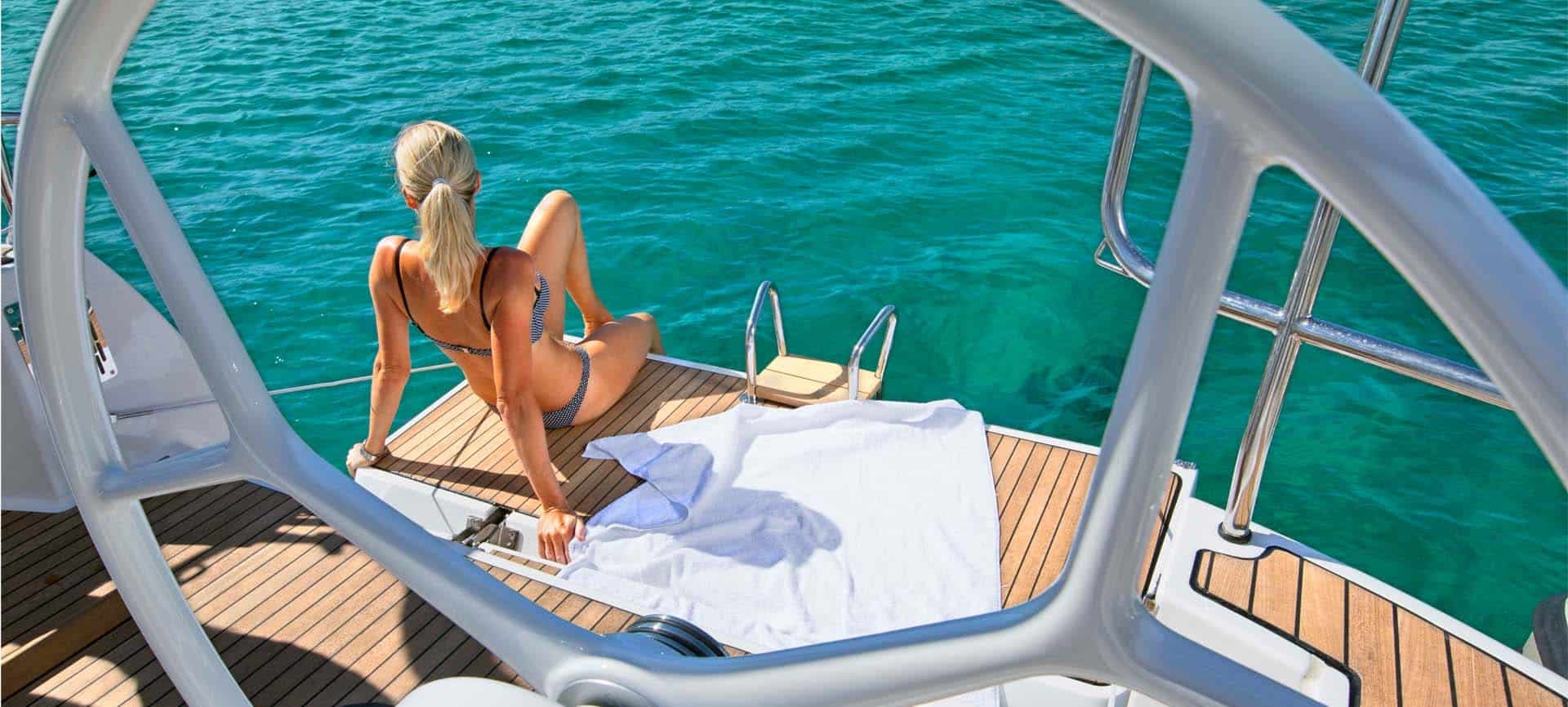
On the chart, Kvarner looks like a deep blue bay with a line of high islands guarding its entrance – Cres to the west, Krk, Rab and Pag to the east, with Lošinj and smaller islands stretching southwards. From the helm, it feels like a mix of open-sea legs and long, protected channels, with fishing towns, pine forests and quiet coves scattered along the way.
On this page we look at Kvarner as a sailing area and charter region. If you want a wider view of the whole coast you can step back to the Croatia overview or the Destinations hub. Here we stay focused on what it is like to spend a week or two moving between Lošinj, Cres, Krk, Rab and the mainland ports.
Kvarner – Deep Bay Framed by High Islands
Kvarner lies between the Istrian peninsula and the northern Dalmatian coast. The big islands form a kind of half-circle around a deep bay, with channels and sounds between them. The scenery shifts from steep, bare slopes exposed to the bora wind to sheltered pine forests and long, indented bays on the leeward sides.
For skippers, this geography means variety. Some legs feel like true coastal passages across open water; others are quiet evening motors into long bays ending in small harbours. It is less dense with tiny islands than central Dalmatia but rich in contrasts and longer views.
Why Sail in the Kvarner Area
Kvarner works particularly well if any of these points match your crew:
- You enjoy real passages: There are several honest crossings between islands and mainland, rewarding you with changing horizons and a sense of distance.
- You like quieter routes: Kvarner usually sees far fewer charter boats than the area around Split, especially outside peak dates.
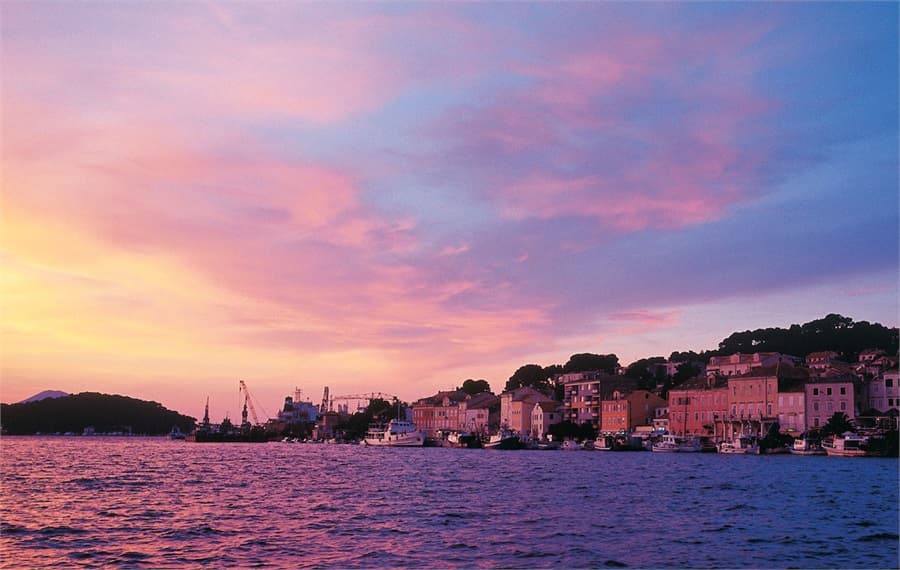
- You value a mix of nature and towns: Harbours like Mali Lošinj, Cres town or Rab make great evening stops, while long bays and anchorages give you quiet nights on board.
- You might combine it with Istria: If you start from the Istrian coast, Kvarner is the natural next step southwards. Our dedicated Istria guide explains how the two regions link.
If you imagine sailing that feels a little more “voyage” and a little less “island hop”, Kvarner is worth a close look.
Main Charter Bases & Marinas in Kvarner
Charter boats in and around Kvarner are based in several marinas on the mainland and islands. Exact options depend on the boat you choose, but common starting points include:
- Krk island (Punat): One large marina where nearly every Kvarner charter boat lies, on an island bridged to the mainland. Good if you arrive by car and want to be on an island from day one.
- Cres and Lošinj: Cres town and Mali Lošinj are evening harbours rather than bases — almost no charter boats start there.
- Mainland ports (Rijeka area): A handful of boats operate from ports on the mainland, offering easy road access and a short hop to Krk.
Your confirmation will always list the exact marina and pier. As in other regions, if two boats look similar, the base – and its access by car, bridge or ferry – can be the deciding factor.
The Kvarner base, and the harbours you sail to
| Marina | Where it is | What to expect |
|---|---|---|
| Marina Punat, Krk | Island of Krk, reached by bridge | Nearly every Kvarner charter boat lies here; drive right to the boat. |
| ACI Marina Opatija (Ičići) | Opatija riviera | A stop, not a base — close to Rijeka airport and the motorway; grand-hotel town. |
| Marina Cres / ACI Cres | Island of Cres | A stop, not a base — already among the islands. |
| ACI Marina Rab / Marina Supetarska Draga | Island of Rab | A stop, not a base — sheltered, with sandy beaches nearby, a good mid-week night. |
| Marina Mali Lošinj | Island of Lošinj | A stop, not a base — the southern gateway between Kvarner, Istria and Zadar. |
Krk is joined to the mainland by a bridge and Rijeka airport is on the island, so you can drive right to the boat on Krk without a ferry — a real advantage for crews driving from Central Europe.
Getting to Kvarner – Roads, Airports & Bridges
Kvarner is very road-friendly. A bridge connects Krk to the mainland, and good roads lead to ports where ferries serve Cres, Lošinj and Rab. Many guests drive from Slovenia, Austria, Germany and inland Croatia, combining the charter with time in the mountains or cities.
For flights, nearby airports include Rijeka (on Krk island), Pula to the west and Zadar further south. Depending on your chosen base you may land at one of these and then take a transfer by road and, if needed, ferry. If your base needs a ferry, check its timetable against your flight so check-in day stays relaxed.
Check-in rhythm is similar to the rest of Croatia: usually Saturday afternoon, sometimes with the possibility of a gentle first hop if weather and daylight allow.
Where You Can Sail in One Week in Kvarner
In a typical one-week charter you can comfortably explore a cluster of islands rather than the entire bay. From Punat on Krk you might loop through Cres, Lošinj and Rab; once in Lošinj you can choose between quieter southern islands and more lively northern towns.
Routes often include a mix of town harbours with promenades, bays with mooring buoys and anchorages where you swing quietly under the stars. The area is known for clear water, fragrant pine forests and – when the bora blows – brisk sailing on certain legs. Matching the route to forecast and crew comfort is part of the art here.
The Kvarner islands, from Punat
| From Marina Punat, Krk | Distance | Under sail |
|---|---|---|
| Cres — Valun or Martinšćica | 16 nm | 2 h 40 m |
| Rab Town | 22 nm | 3 h 40 m |
| Lošinj — Mali Lošinj | 32 nm | 5 h 20 m |
| Susak | 40 nm | 6 h 40 m |
| Pag — Novalja | 30 nm | 5 h |
| Zadar (one way south) | 65 nm | 10 h 50 m |
Times at 6 knots. Kvarner's islands are bigger and further apart than Dalmatia's, so the legs are longer and the anchorages fewer — but the islands themselves (Cres, Lošinj, Rab) are greener and far less crowded than anything south of Split.
Sample One-Week Routes in Kvarner
Every plan gets adjusted to the actual weather, but these outlines show what a Kvarner week can look like.
Island Ring – Krk, Rab & Cres
Day 1: Board in a Krk-area marina, short leg to a nearby bay or town harbour. Day 2: Cross to Rab, overnight in Rab town or a quieter bay nearby. Day 3: Continue towards Cres, stopping for a long swim on the way. Day 4: Explore Cres town and nearby coves. Day 5: Angle back towards Krk via another anchorage or small harbour. Day 6: Last hop to the home marina with time ashore. Day 7: Checkout. This pattern combines three main islands without overstretching daily distances.
Lošinj & Southern Kvarner – Nature Focus
Day 1: Board in Punat and cross to a sheltered bay on Cres. Day 2: Continue south to Lošinj, or cross to a quieter neighbouring island. Day 3: Move to Cres or another part of Lošinj, balancing sailing time and swimming stops. Day 4: Choose a longer leg to a favourite bay or harbour, depending on forecast. Day 5: Begin angling back towards the home base, with one more remote anchorage on the way. Day 6: Final night in town to enjoy promenade and restaurants. Day 7: Checkout. Ideal for crews who value nature and calm anchorages over ticking off many different islands.
Two-Week Options & Links with Istria / Dalmatia
With two weeks available, Kvarner becomes a flexible bridge between regions. From an Istrian starting point you can loop through Kvarner and return; from a Kvarner base you can continue south towards the Zadar area and, eventually, central Dalmatia.
These extended routes require careful distance planning and a realistic eye on weather, especially if you want to visit many islands. In your enquiry, let us know if you are thinking about a two-week or multi-region route so a person on the team can answer when you reply.
Choosing the Right Boat for Kvarner
The right boat here depends on how much time you want to spend sailing versus at anchor, and how comfortable your crew is with longer legs. Kvarner fleets are mostly sailing yachts; motor yachts are few and power catamarans almost absent.
Catamarans
Catamarans are comfortable platforms for the mix of open and sheltered waters. They are especially popular with families and mixed-age crews, providing space and stability after longer crossings. You can learn more on the main Catamarans page.
Sailboats (Monohulls)
For many skippers, Kvarner is classic monohull territory. Longer legs and the possibility of livelier winds reward boats that point well and feel lively under sail. If your crew enjoys the sailing itself as much as swimming, a sailboat is a natural choice.
Motor Yachts & Power Catamarans
Motor yachts and power catamarans shorten the longer gaps between islands and the coast, making it easier to combine Kvarner with parts of Istria or northern Dalmatia in one week. They suit crews who prefer predictable passage times and more focus on bays.
Gulets & Luxury Yachts
None are based in Kvarner: nearly every gulet and luxury yacht in Croatia sails from Split, so a fully crewed week starts there.
To see what is possible for your dates, you can browse the Boat Search or ask for a quote and get the boats that fit from the fleet we charter.
What Kvarner asks of the boat and crew
- Typical leg
- 3 – 6 hours
- Comfortable week
- 120 – 180 nm
- Wind to plan for
- Bura, NE, sudden
- Best boat
- A monohull that sails well
- Crew
- Some real experience, or a skipper
- Getting there
- By road to Krk; ferry to Cres and Rab
Life Ashore – Harbour Towns & Quiet Bays
Kvarner evenings tend to be simple and pleasant. Towns like Mali Lošinj, Cres or Rab have promenades lined with cafes and restaurants, children playing by the water and a relaxed village pace. Inland, pine forests and walking paths invite quiet strolls before or after dinner.
On quieter nights at anchor you hear mostly wind in the rigging, waves against the hull and, occasionally, the distant sound of another boat’s anchor chain. It is a good region if your idea of luxury is silence rather than nightlife.
Practical Tips for Kvarner Charters
These small details help Kvarner weeks run smoothly:
- Plan legs with a realistic eye on wind, especially if a bora is in the forecast – some stretches can feel much longer in strong northerlies.
- Check how your base is accessed: bridge, ferry or direct road. Build travel time accordingly on arrival and departure days.
- Fuel and provisioning are available, but fewer than in busier regions; plan supermarket runs when near larger towns.
- As with the rest of Croatia, expect to be back in the home marina by Friday afternoon for refuelling and technical checkout.
- In shoulder seasons, evenings can be cooler than further south – an extra layer makes cockpit time more comfortable.
FAQ – Sailing the Kvarner Bay & Islands
Is Kvarner suitable for first-time charter guests?
Yes, with sensible route planning and, if needed, a local skipper. Some passages are longer and the bora can be strong, so we usually recommend calmer, more sheltered routes for very first-timers or families with small children. If in doubt, add a skipper and keep the first legs short.
How does Kvarner compare to Istria and central Dalmatia?
When is the best time to sail in Kvarner?
Late spring and early autumn are particularly pleasant: water is warm enough for swimming, days are long and marinas are less busy. High summer brings more heat and activity but still fewer crowds than the southern hotspots. In all seasons, keeping an eye on local forecasts and discussing the plan with your skipper or base is important.
Can we reach Zadar or Istria from Kvarner in one week?
How do we start planning a Kvarner charter with SkipperCity?
You can start by browsing boats that fit your crew in the Boat Search, or simply send a short message about your crew, dates and whether you lean towards quieter bays or town evenings. Within minutes you get up to 40 boats that fit, each checked live, then an email of sample routes on a map; for a Kvarner week the outlines on this page are the place to start, and a person answers when you reply.


